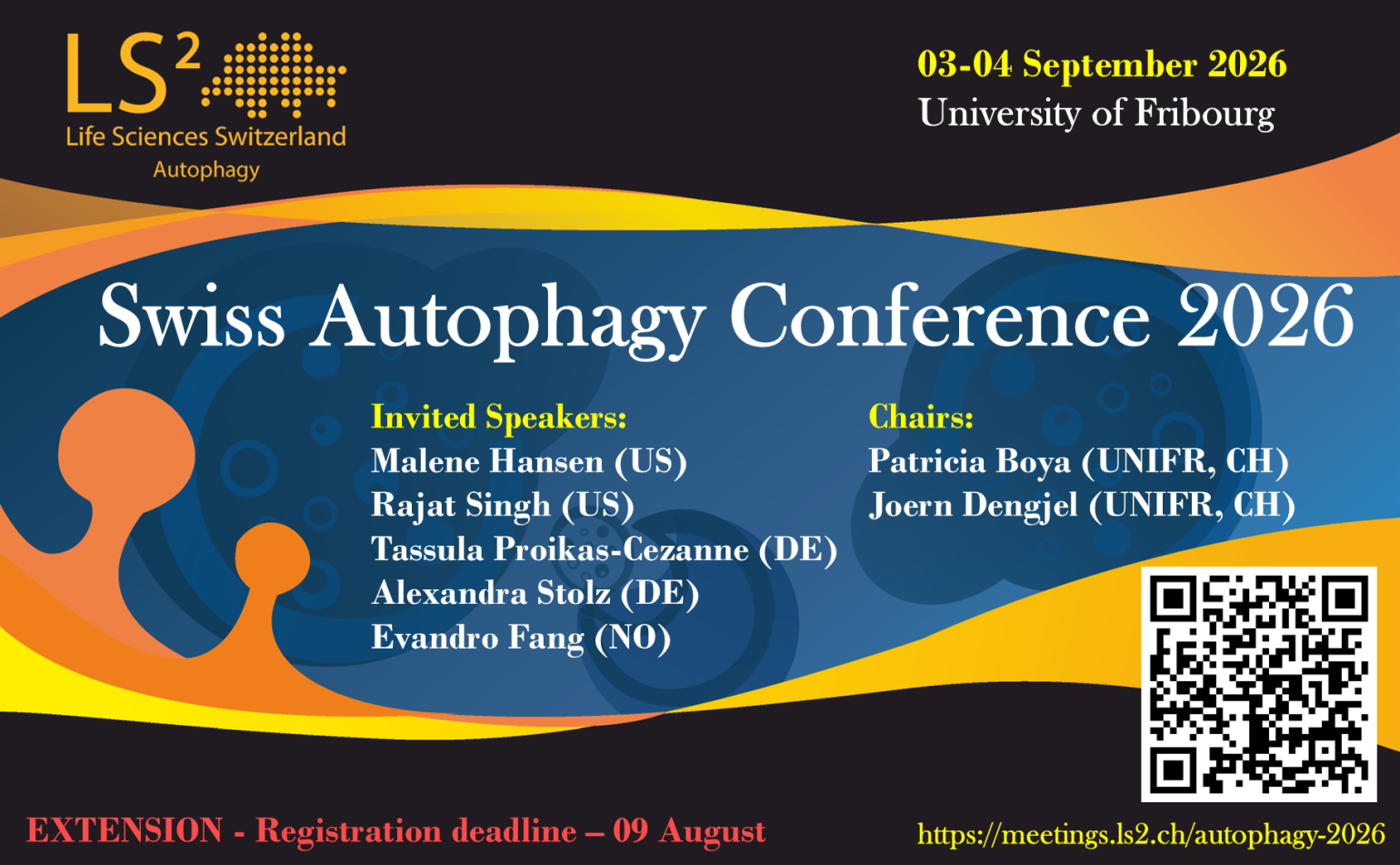
Malene Hansen (Buck Institute for Research on Aging, US)
Regulation of autophagy in aging and disease
The cytosolic recycling process of autophagy plays an important role in many age-related diseases and has been directly linked to aging, including in the nematode C. elegans where autophagy appears beneficially induced in many conserved longevity models. As a critical process to ensure cellular homeostasis, autophagy is regulated at multiple levels, yet it remains a challenge in the field to understand how the regulation of autophagy is integrated at the cellular and molecular level to ensure health- and lifespan benefits. I will here discuss our progress on understanding the different molecular mechanisms employed by cells and organisms to regulate autophagy genes in response to stressors such as aging and disease.
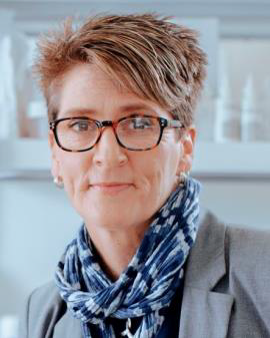
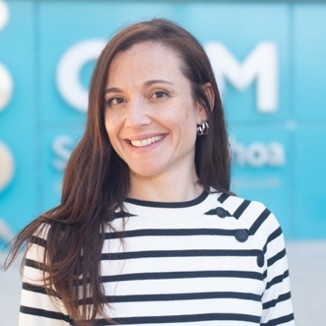
Natalia Reglero Real (CBM)
Endothelial Autophagy: A Gatekeeper of Vascular and Immune Homeostasis
Endothelial cells form the interface between the circulation and tissues and play a central role in vascular homeostasis and immune surveillance. We previously identified endothelial autophagy as an important regulator of acute inflammation, limiting neutrophil transendothelial migration through the control of endothelial junctional dynamics.
Our ongoing work reveals a broader and unexpected role for autophagy-related pathways in regulating endothelial function and immune homeostasis, both during inflammation and under basal conditions. In this talk, I will discuss emerging mechanisms through which the autophagy machinery shapes endothelial responses and how their dysregulation may contribute to vascular dysfunction, chronic inflammation and ageing.
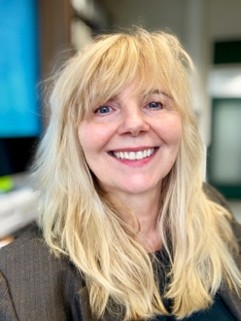
Tassula Proikas-Cezanne (University of Tübingen, DE)
Functions of human WIPI proteins in autophagy
Human WIPI β-propeller proteins belong to the PROPPIN family, which emerged early in evolution. Humans possess four WIPI proteins, WIPI1 through WIPI4, which we originally discovered and subsequently characterized. A common feature of human WIPI proteins is that they perform non-redundant functions as scaffolds in the control of autophagy and as PI3P effectors during autophagosome formation. Here we discuss the current state of knowledge regarding the molecular functions of WIPI proteins in health and neurodegeneration.
Alexandra Stolz (University Hospital Frankfurt/ Goethe University, DE)
Knocking at the Door of ER-phagy: Regulation at the Plasma Membrane
This talk will explore how ER-phagy can be regulated from the plasma membrane through signaling cascades that connect extracellular and organismal cues to intracellular homeostasis.
(Evandro) Fei Fang-Stavem (University of Oslo, NO)

Fine-tuning mitophagy and mitochondrial biogenesis in promoting brain health and healthy longevity – from bench-top to bedside
Why we age and how could we age successfully? To address these questions, we need to understand the sophisticated and multi-layered nature of biological ageing. We propose compromised autophagy is an independent hallmark of ageing and this is accepted in the society. In this lecture, I will share with you the mechanisms of autophagy and the linkages of compromised autophagy (especially mitophagy) to ageing and different diseases with a focus on neurodegenerative diseases. Publicly accessible approaches (such as calorie restriction and exercise) and small natural molecules (such as NAD+ precursors, urolithin A affluent in pomegranates, and a small molecule EFF-AA from passion fruit) hold promise to slow down ageing and dementia, likely at least partially via mitophagy induction. We are involved in 5 NAD+-based clinical trials including in treating premature ageing diseases, Long-COVID, and brain diseases, and have identified autophagy proteins and NAD+ pathway intermediates as biomarkers of disease progression. We are excited in running a Phase II clinical trial looking into the potential benefits of urolithin A for AD patients. Future perspectives and challenges on autophagy- and NAD+-related strategies will be discussed.