Keynote speakers
|
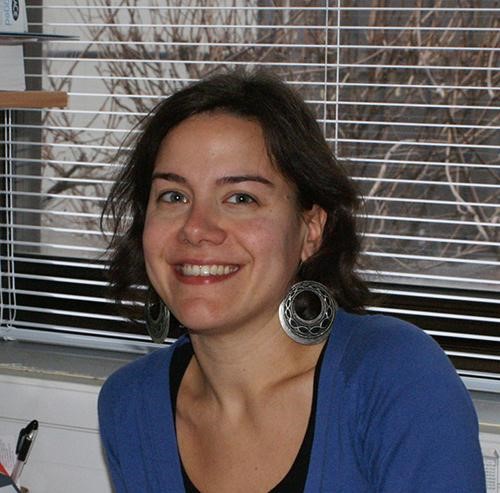
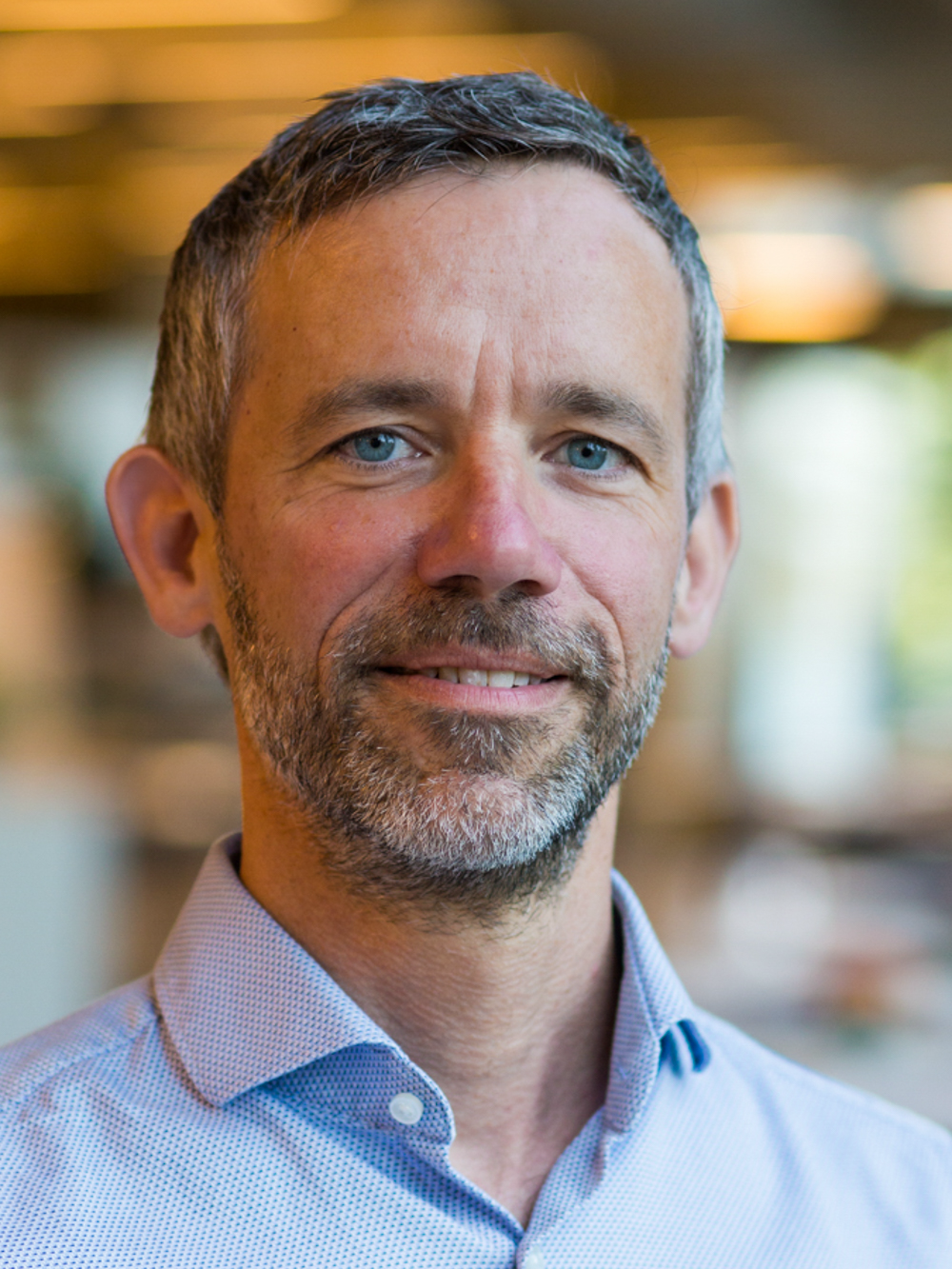
Yasmine Belkaid (Institut Pasteur, France) Prof. Yasmine Belkaid is the President of the Institut Pasteur (Paris) and the head of the Metaorganism laboratory at the Institut Pasteur. She obtained her Master in Biochemistry at the University of Science and Technology Houari Boumediene in Algiers, Algeria and her PhD from the Institut Pasteur in France. Following a postdoctoral fellowship at the National Institutes of Health (Bethesda, USA) on immune regulation during infection, she started her research program at the Children’s Hospital Research Foundation in Cincinnati. In 2005, she joined the National Institute of Allergy and Infectious Diseases (NIAID) where she served as department chair of the Laboratory of Host Immunity and Microbiome, Director of the trans-NIH Center for Human Immunology and founder and Director of the NIAID Microbiome program prior to joining the Institut Pasteur in 2024. Her work explores fundamental mechanisms that regulate tissue homeostasis and host immune responses and uncovered key roles for the microbiota and dietary factors in the control of immunity and protection to pathogens. It also explores the role of the immune system in organismal remodeling and the impact of infections on the mother-child dyad. Prof. Belkaid is a member of the National Academy of Sciences, the American Academy of Arts and Sciences, the National Academy of Medicine, the French Academy of Sciences and Fellow of the Royal Society and she is the recipient of numerous awards including the Lurie Prize in Biomedical Sciences, the Emil von Behring Prize, the Sanofi-Institut Pasteur Award, the Robert Koch Award and the AAI Excellence in Mentoring Award.
|
|
|
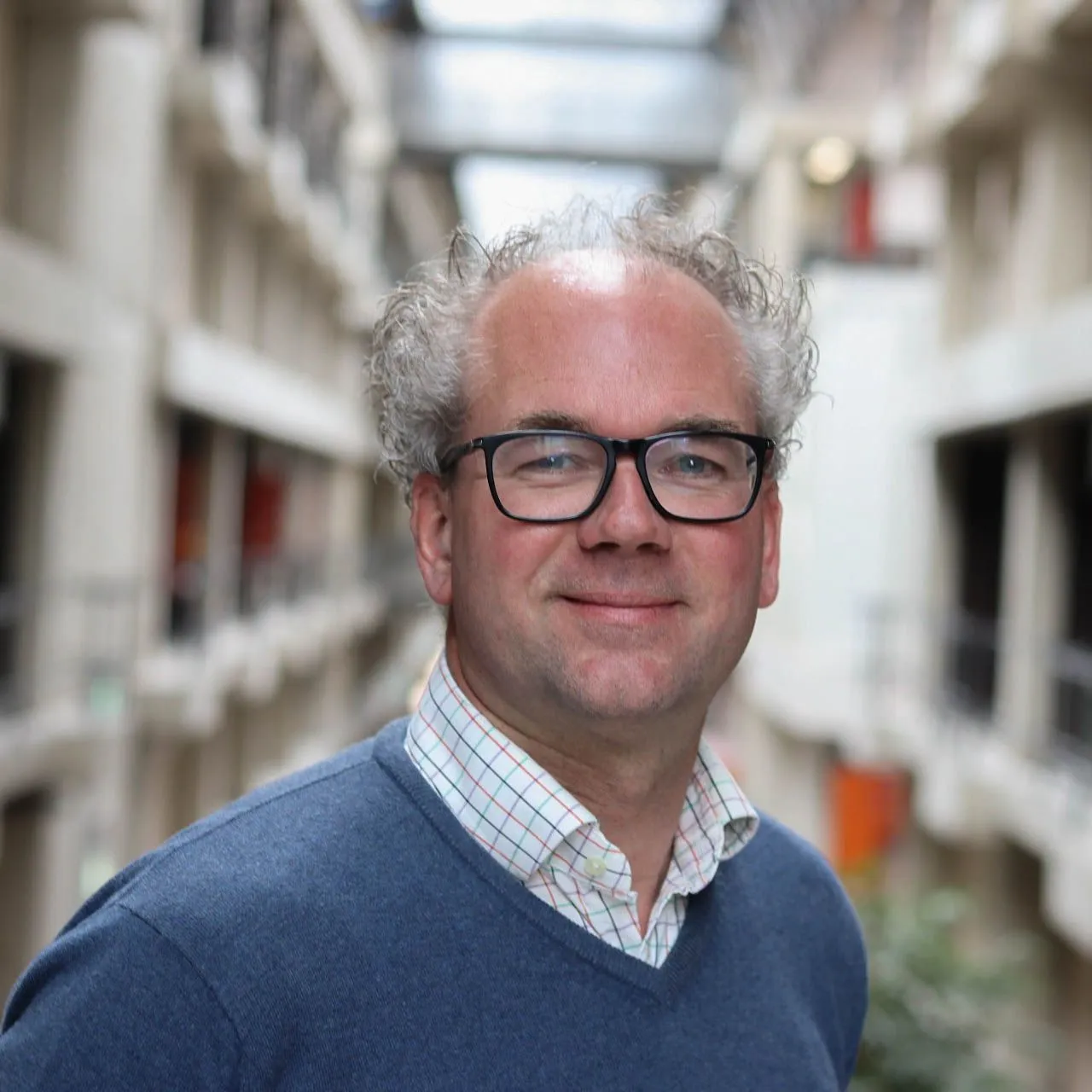
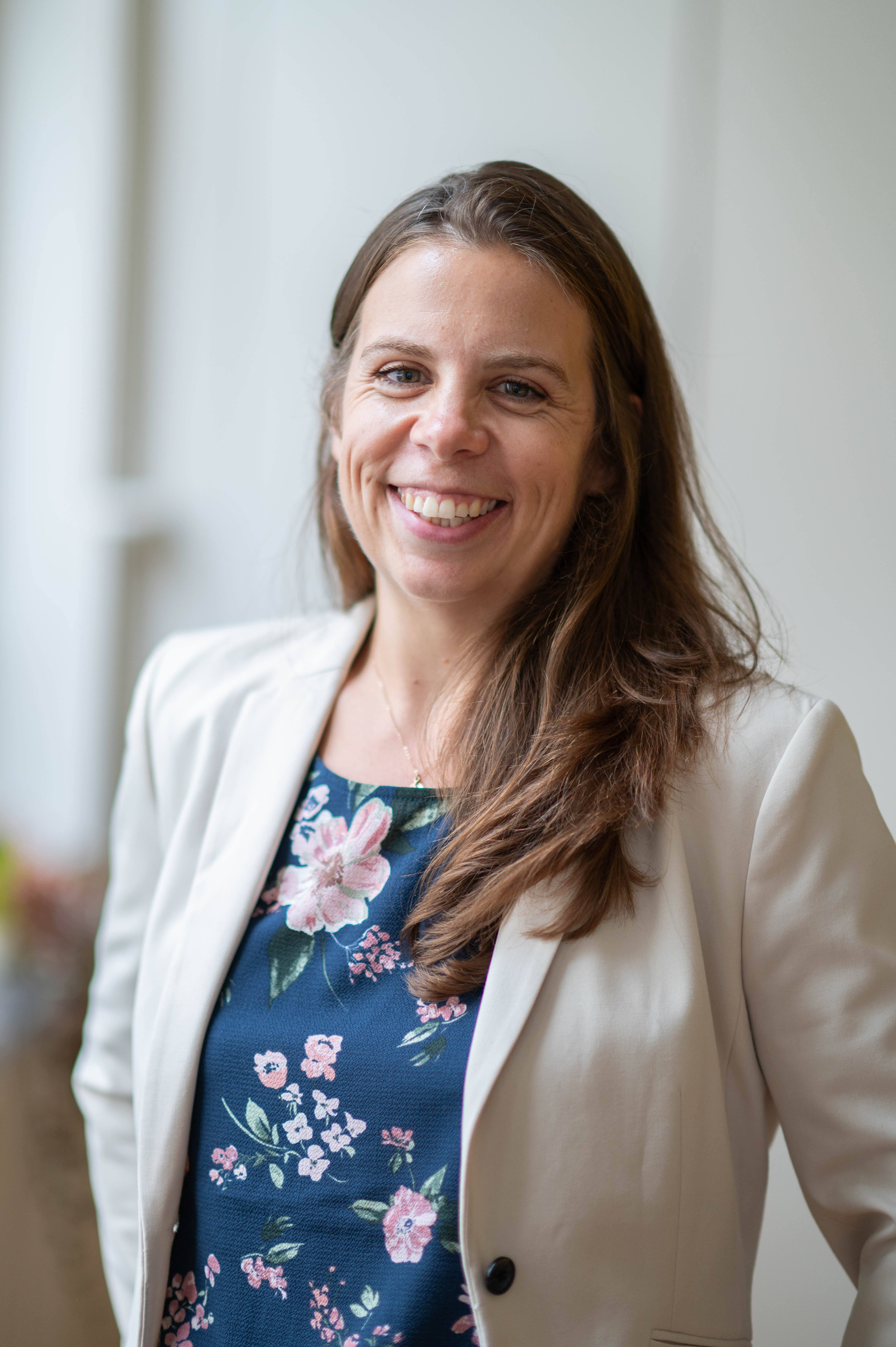
Florent Ginhoux (Paris-Saclay University, Gustave Roussy, France) He earned a degree in Biochemistry from the University Pierre et Marie Curie (UPMC), Paris VI, followed by a Master's in Immunology from the Pasteur Institute in 2000 and a PhD from UPMC in 2004. He then pursued postdoctoral training in the laboratory of Miriam Merad at the Mount Sinai School of Medicine (MSSM), New York, where he investigated the ontogeny and homeostasis of cutaneous dendritic cell populations, with a particular focus on Langerhans cells and microglia. In 2008, he was appointed Assistant Professor in the Department of Gene and Cell Medicine at MSSM and became a member of its Immunology Institute. In 2009, he joined the Singapore Immunology Network (SIgN), A*STAR, as a Junior Principal Investigator, and was promoted to Senior Principal Investigator in 2014. Currently, he is Laboratory Director at Gustave Roussy Hospital, where his research focuses on pediatric brain cancers and the role of myeloid cells in tumor progression. He was selected for the EMBO Young Investigator Programme in 2013 and has been recognized as a Web of Science Highly Cited Researcher since 2016, and elected as an EMBO Member in 2022. He is holding adjunct academic positions including Adjunct Visiting Associate Professor at the Shanghai Institute of Immunology, Jiao Tong University (since 2015), and Adjunct Associate Professor at the Translational Immunology Institute, SingHealth and Duke-NUS Medical School, Singapore (since 2016).
|
|
|
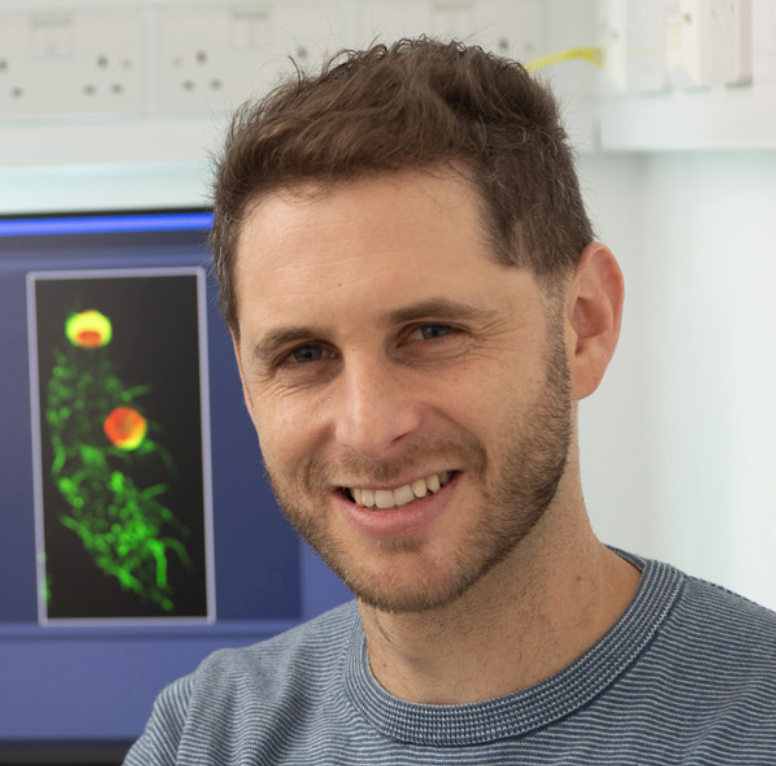
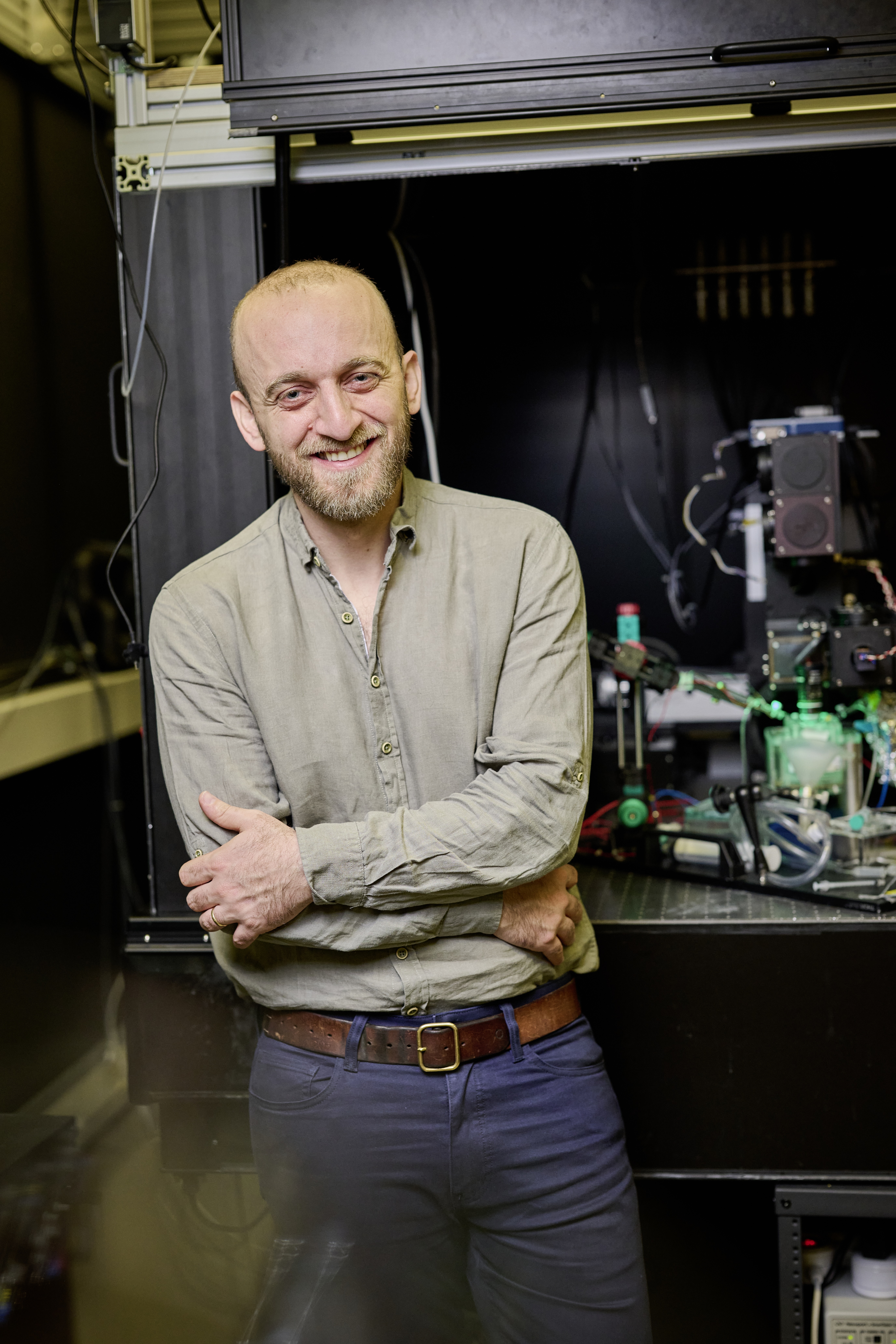
The EMBO Keynote Lecture: Andres Hidalgo (Yale School of Medicine, USA) I am interested on the cellular and molecular mechanisms by which innate immune cells, and their hematopoietic precursors, contribute to organismal physiology and pathology. As a postdoctoral trainee I developed and used live imaging modalities to study acute inflammatory disease and discovered the receptors that mediate early neutrophil recruitment, and the signals that cause acute vascular injury. As an independent researcher, my laboratory further developed tools to study of thrombo-inflammation and the dramatic consequences in several organs, including the lung, brain and heart. We discovered new functions for innate immune cells, and demonstrated that circadian rhythms in the bone marrow are entrained in part by neutrophils entering this organ, and that these rhythms are critical for immune defense and inflammation. I am also interested in other type of innate immune cells, such as resident macrophages of the heart. As a Professor at Yale, I am interested in defining the fundamental organization and function of innate immune cells, from their development and specification under homeostasis, to their reparative or disease-promoting roles.
|
|
Invited speakers
|
Katrin Kierdorf (University of Freibourg, Germany) |
|
|
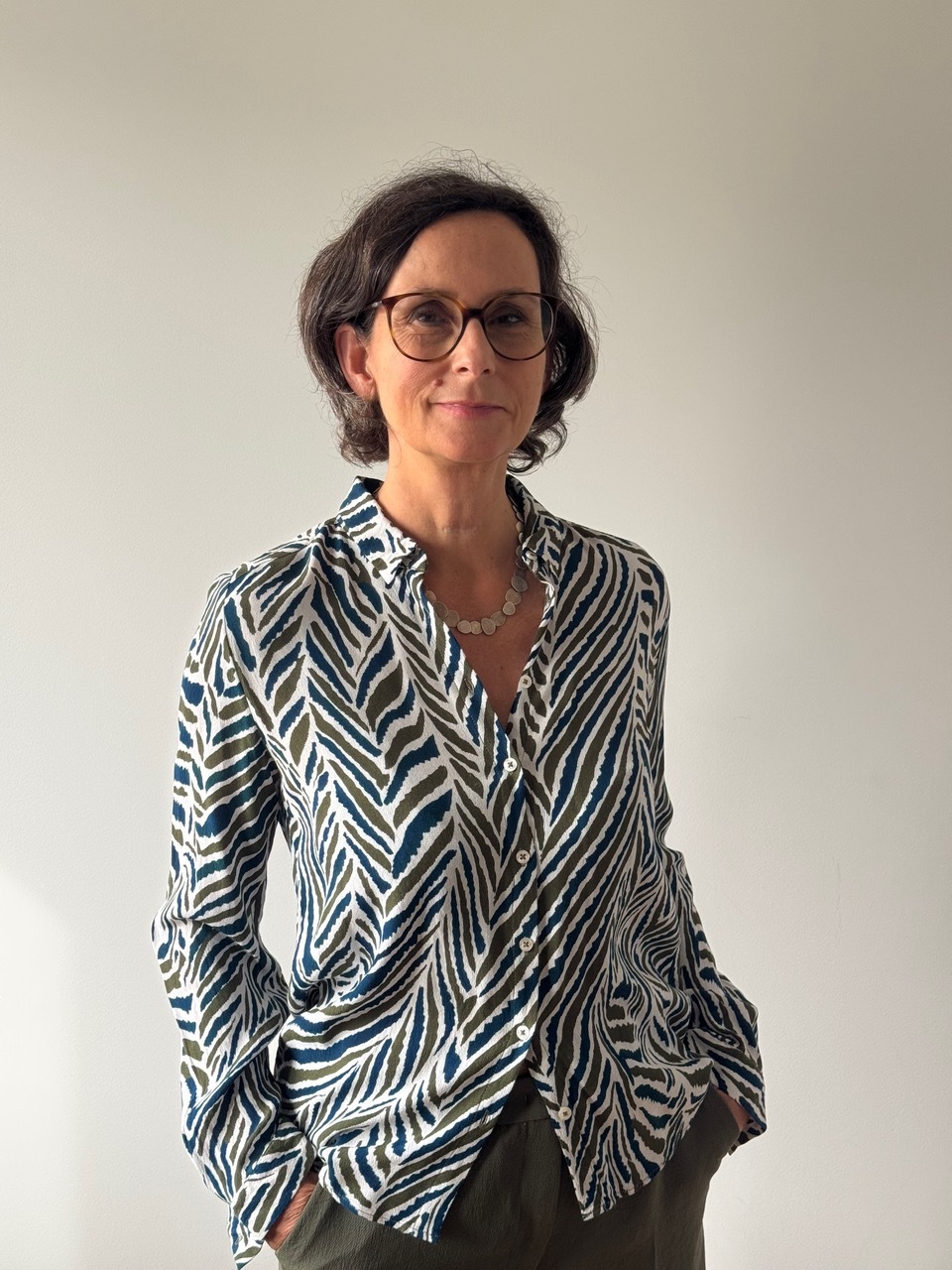
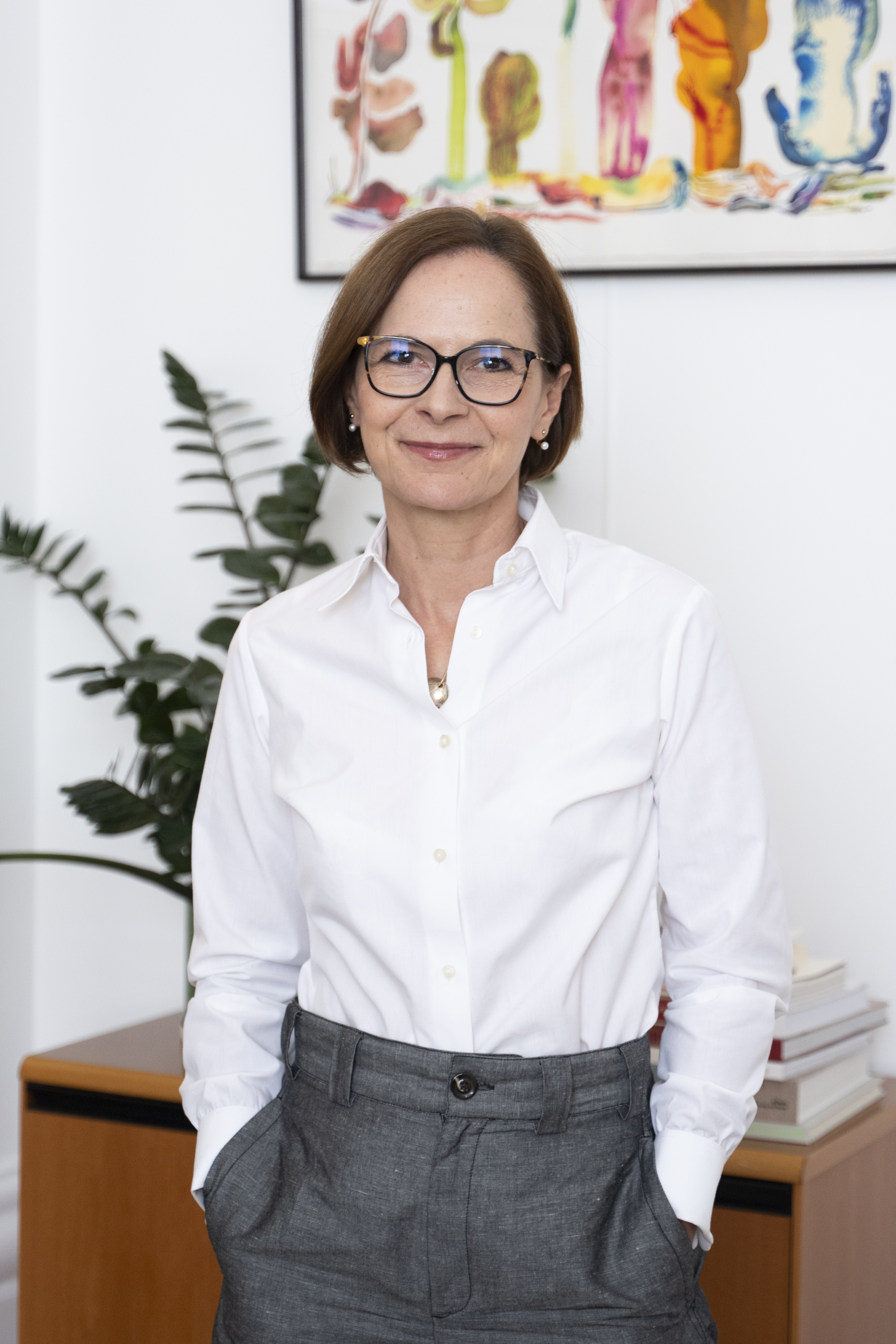
Irina Udalova (University of Oxford, UK) is a Professor of Molecular Immunology and Principal Investigator leading the "Genomics of Inflammation" group at the Kennedy Institute of Rheumatology in Oxford. With a multi-disciplinary academic background spanning a BSc/MSc in physics and mathematics and a PhD in molecular biology, she joined the institute in 2004 following research tenure as a Royal Society Fellow. Her laboratory utilizes advanced functional genomics and molecular immunology to map the transcriptional circuitry regulating myeloid cells, notably macrophages and neutrophils, during tissue injury and chronic inflammatory diseases. Renowned for discovering the role of the IRF5 protein as a molecular switch for inflammatory macrophages, her current research, supported by major grants from the Medical Research Council (MRC) and the Wellcome Trust, focuses on therapeutic targets to control tissue damaging inflammation, an expertise she also lends to the MRC Infections and Immunity Board.
|
|
|
Oliver Soehnlein (University of Munster, Germany) MD, PhD, is Professor of Inflammation Research and since 2021 head of the Institute of Experimental Pathology at the Münster University. He obtained his MD from the University of Erlangen in 2005 and his PhD from the Karolinska Institute in Stockholm in 2008. From 2008 to 2013 he was group leader at the RWTH in Aachen, the LMU in Munich and the AMC in Amsterdam. Between 2013 and 2021 he was Professor for Vascular Immunotherapy at the German Center for Cardiovascular Research and Guest Professor at the Karolinska Institute in Stockholm. He served as European coordinator for a Leducq Transatlantic network from 2019-2024. Prof. Soehnlein has authored numerous high-impact publications focusing on the intersection of the vasculature and immunity. With particular focus on neutrophils, he recently founded a DFG-funded consortium to dissect their phenotypic and functional heterogeneity.
|
|
|
Triantafyllos Chavakis (University Hospital Carl Gustav Carus Dresden, Germany) is a clinician-scientist, specialized in Internal Medicine and Laboratory Medicine. From 2005-2010 he was principal investigator and head of the Inflammation Biology section of the Experimental Immunology Branch of the National Cancer Institute, NIH, Bethesda MD, USA. Since 2010 he is professor at the University Hospital Dresden, Dresden University of Technology, Germany and since 2017 Director of the Institute for Clinical Chemistry and Laboratory Medicine. He has received 3 ERC Grants (Starting, Consolidator, Advanced) and is a member of the German National Academy of Sciences (since 2023).
|
|
|
Ulla Knaus (University College Dublin, Ireland) is Professor of Immunobiology at the School of Medicine and a member of the UCD Conway Institute. After completing a pharmaceutical sciences degree at ETH Zürich and a PhD at LMU Munich she pursued postdoctoral studies in immune cell signaling at the Scripps Research Institute, La Jolla, California. She was appointed to Assistant and Associate Professor in the Department of Immunology at the Scripps Research Institute before joining University College Dublin as SFI Stokes Professor in 2008. Her research focusses on the innate immune response in inflammation and infection, in particular in the gastrointestinal tract, and how chemical mediators and the cytoskeleton define phagocyte and epithelial cell function and bidirectional communication with microorganisms in the gut environment. Her group has close connections with Inflammatory Bowel Disease specialists to facilitate patient-centered studies and translation to the clinic.
|
|
|
Milka Sarris (University of Cambridge, UK) is the Principal Investigator of the FILM (Filming Inflammation and Leukocyte Motion) Lab and Professor of Cell and Tissue Biology in the Department of Physiology, Development and Neuroscience (PDN) at the University of Cambridge, where she is also a Fellow of Trinity College. She completed her PhD at the MRC Laboratory of Molecular Biology investigating immunological synapse formation in mouse models, followed by postdoctoral training at the Institut Pasteur, where she pioneered the use of zebrafish to study leukocyte dynamics. A recipient of both an MRC Career Development Award (2014) and a prestigious ERC Consolidator Grant (2022), her research team utilizes cutting-edge intravital live imaging, genetics, and optogenetics in zebrafish models to decipher the molecular, cytoskeletal, and self-organizing mechanisms driving cell motility and neutrophil swarming in complex tissue environments.
|
|
|
Jaap D. van Buul (University of Amsterdam, Netherlands) is Professor of Vascular Cell Biology at the University of Amsterdam and leads the Vascular Cell Biology lab at Amsterdam UMC. Following a postdoctoral fellowship at the University of North Carolina at Chapel Hill, where he discovered the role of RhoG in leukocyte transendothelial migration (TEM), his research has focused on how the vessel wall maintains integrity during TEM. This work is critical to understanding inflammation, atherosclerosis, cancer metastasis, and stem cell homing. A leader in the scientific community, Prof. Van Buul is president of the Dutch Society for Cell Biology (DSCB), chair of the Dutch Endothelial Biology Society (DEBS), and a board member of the European Vascular Biology Organization (EVBO).
|
|
|
Roni Levin Konigsberg (MRC Laboratory of Molecular Biology, UK) is a Group Leader in the Division of Cell Biology at the MRC Laboratory of Molecular Biology, a position he has held since 2025. He earned his PhD with Sergio Grinstein at the University of Toronto and subsequently carried out postdoctoral research with Mike Bassik at Stanford University. His laboratory investigates how macrophages handle the continual uptake and degradation of diverse cargoes, and how cells process the resulting degradation products. By integrating high-throughput genetic screening, advanced imaging, and cell biological and physiological approaches, his group studies membrane trafficking and solute transport within the endolysosomal system.
|
|
|
Florence Niedergang (Institut Cochin, France) is a CNRS Research Director who heads the Biology of Phagocytes, Infection and Immunity team at Institut Cochin in Paris. She studied biochemistry at ENS Paris Saclay and earned her PhD in 1997 from Université Paris Diderot for research on T lymphocyte antigen receptor activation and intracellular trafficking, conducted at Institut Pasteur. As an ARC and EMBO postdoctoral fellow in Jean-Pierre Kraehenbuhl’s laboratory at the University of Lausanne, she investigated the role of dendritic cells and macrophages in bacterial uptake and survival in the gut. In 2001, she was recruited by CNRS and joined Philippe Chavrier’s laboratory at Institut Curie, where she developed pioneering cell biology and live microscopy studies on phagocytosis in macrophages. In 2005, she established her independent research group at Institut Cochin, supported by CNRS ATIP and Ville de Paris start-up programs. Since 2022, she is also director of Institut Cochin. She was president of the French Society for Cell Biology and is now a board member of the International Federation for Cell Biology. Her research focuses on deciphering the molecular and mechanical mechanisms of phagocytosis and how viruses—including HIV-1, human rhinoviruses and influenza—impair phagocyte clearance and activation, contributing to bacterial superinfections and inflammatory diseases.
|
|
|
Mikael Pittet (University of Geneva, Switzerland) completed his PhD thesis in Immunology at the Ludwig Institute for Cancer Research and graduated from the University of Lausanne in 2001. He pursued his research at Massachusetts General Hospital, Harvard Medical School and Dana-Farber Cancer Institute, in Boston, United States, where he was named Samana Cay MGH Research Scholar in 2015, Director of the Center for Systems Biology Cancer Immunology Program in 2016, and full Professor at Harvard Medical School in 2019. He joined the Faculty of Medicine at UNIGE in 2020where he is appointed Full Professor in the Department of Pathology and Immunology, holding the ISREC Foundation Chair in Onco-Immunology. He is also a member of the Translational Research Centre in Onco-haematology of UNIGE Faculty of Medicine, and a consultant in the Department of Oncology of the University Hospitals of Geneva (HUG). His research laboratory is physically located in Lausanne in the Agora Cancer Research Center, which assembles interdisciplinary research groups to translate advances in cancer research to the clinic. His research focuses on uncovering how the immune system controls cancer and other diseases, and how it can be harnessed for therapy. Pittet’s work has identified how cancers are regulated by various immune cells, including cytotoxic T cells, regulatory T cells, macrophages, monocytes, neutrophils, and dendritic cells. These cells are considered as drug targets in cancer immunotherapy.
|
|
|
Charlotte Scott (Ghent University, Netherlands). Charlotte obtained her PhD in the lab of Prof. Allan Mowat at the University of Glasgow, where she investigated intestinal Dendritic cells. This sparked an interest in myeloid cells and the factors governing their heterogeneity across tissues. She then moved to Belgium for a postdoc in the lab of Prof. Martin Guilliams where she investigated the role of ontogeny in Kupffer cells. This work identified a potential role for these cells in lipid metabolism and led her to start to investigate these cells in the context of obesity and fatty liver disease. In 2019, she was awarded an ERC StG to start her own lab at VIB-UGent to investigate the functional heterogeneity of myeloid cells in this context. She is currently an EMBO YIP member and in 2023 she was awarded the Ita Askonas Prize for her work.
|
|
|
Mohamad El Amki (University of Zurich, Switzerland) - a Group Leader at the Department of Neurology, University Hospital Zurich, and at the University of Zurich. Since establishing his independent research program in 2021, he is focusing on understanding the mechanisms that regulate cerebrovascular function across the lifespan, from vascular development and maturation to aging and disease. His research lies at the interface of neuroscience, vascular biology, and neuroimmunology, with a particular interest in how interactions between immune cells, blood vessels, and neural tissue shape brain health and dysfunction. By combining advanced in vivo imaging, physiological measurements, and molecular approaches, his laboratory investigates the dynamic cellular and vascular processes that govern cerebral blood flow, microcirculation, and tissue metabolism in both health and cerebrovascular disease. Through close integration of basic and clinical research at the University Hospital Zurich, his work aims to uncover fundamental mechanisms of brain vascular function and to develop novel therapeutic strategies that improve vascular resilience, tissue perfusion, and neurological outcomes.
|
|
|
Johanna Joyce (University of Lausanne) is a Full Professor of Oncology at the University of Lausanne (UNIL), Switzerland, and Full Member of the international Ludwig Institute for Cancer Research. She is President of the European Association for Cancer Research for the 2026–2028 term, Co-Director of the Department of Fundamental Oncology at UNIL, and previously served as the inaugural Executive Director of the multi-institutional Agora Cancer Centre for translational research in Lausanne. Prof. Joyce’s research expertise is in cancer biology, immunology, and the tumour microenvironment. She has been recognized through multiple awards and honours including the EACR-Pezcoller Award for Women in Cancer Research, "50 Scientists Who Inspire" by Cell Press, the Fidler Innovation Award from the Metastasis Research Society, Robert Bing Prize in Neuroscience, Cloëtta Prize, American Cancer Society Scholar Award, Rita Allen Foundation Award, V Foundation Award, and Sidney Kimmel Foundation Award, among many others. Elected by her peers, Prof. Joyce serves as a Member of the European Molecular Biology Organisation, a Fellow of the American Association for Cancer Research Academy, and a Fellow of the European Association for Cancer Sciences. Prof. Joyce previously served as Chair of the AACR Tumor Microenvironment Working Group and was an elected Member of the AACR Women in Cancer Research Council. She is also a committed mentor and advisor, and a widely recognized advocate for equity, inclusion, and the advancement of women in cancer research. |
|