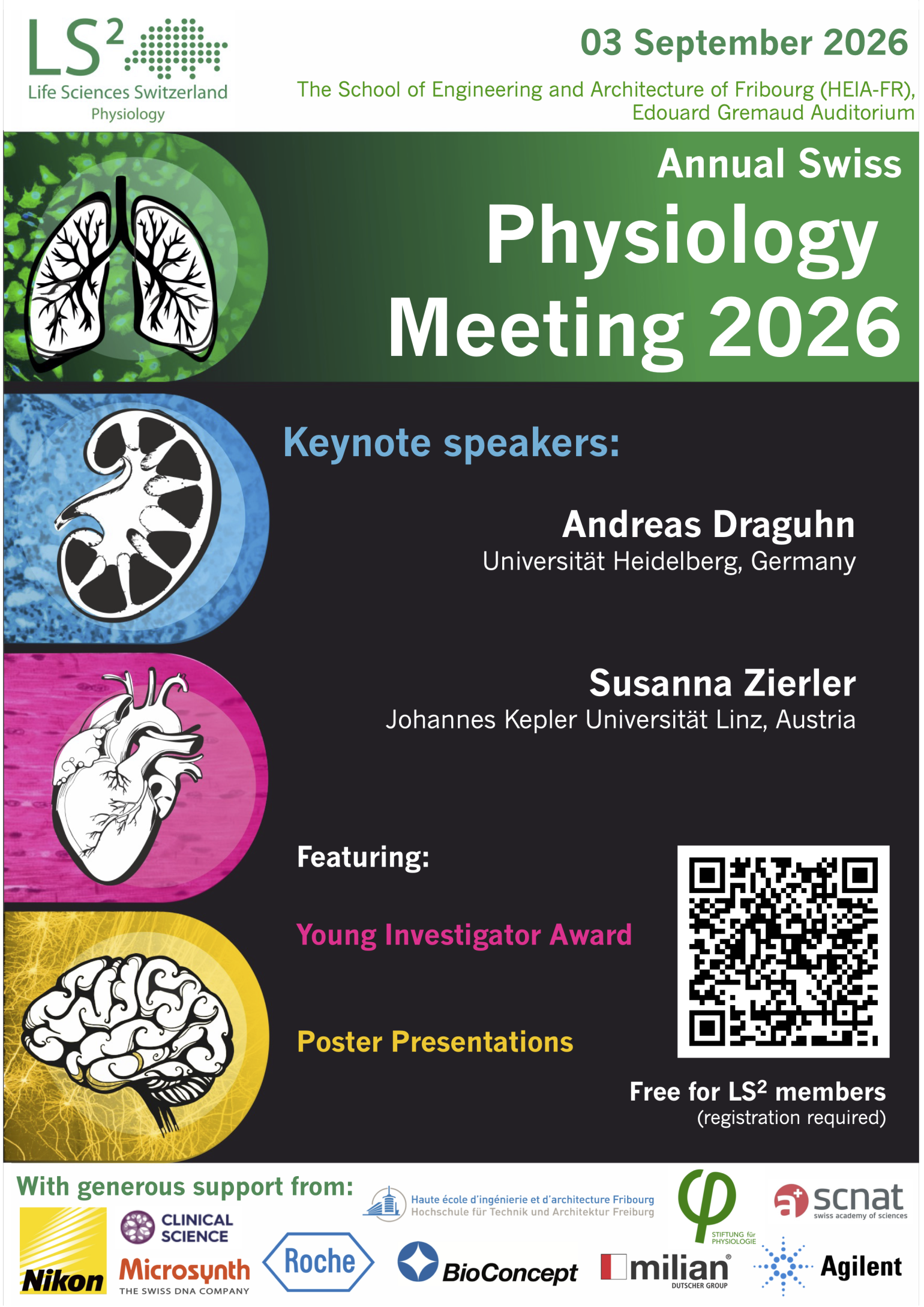
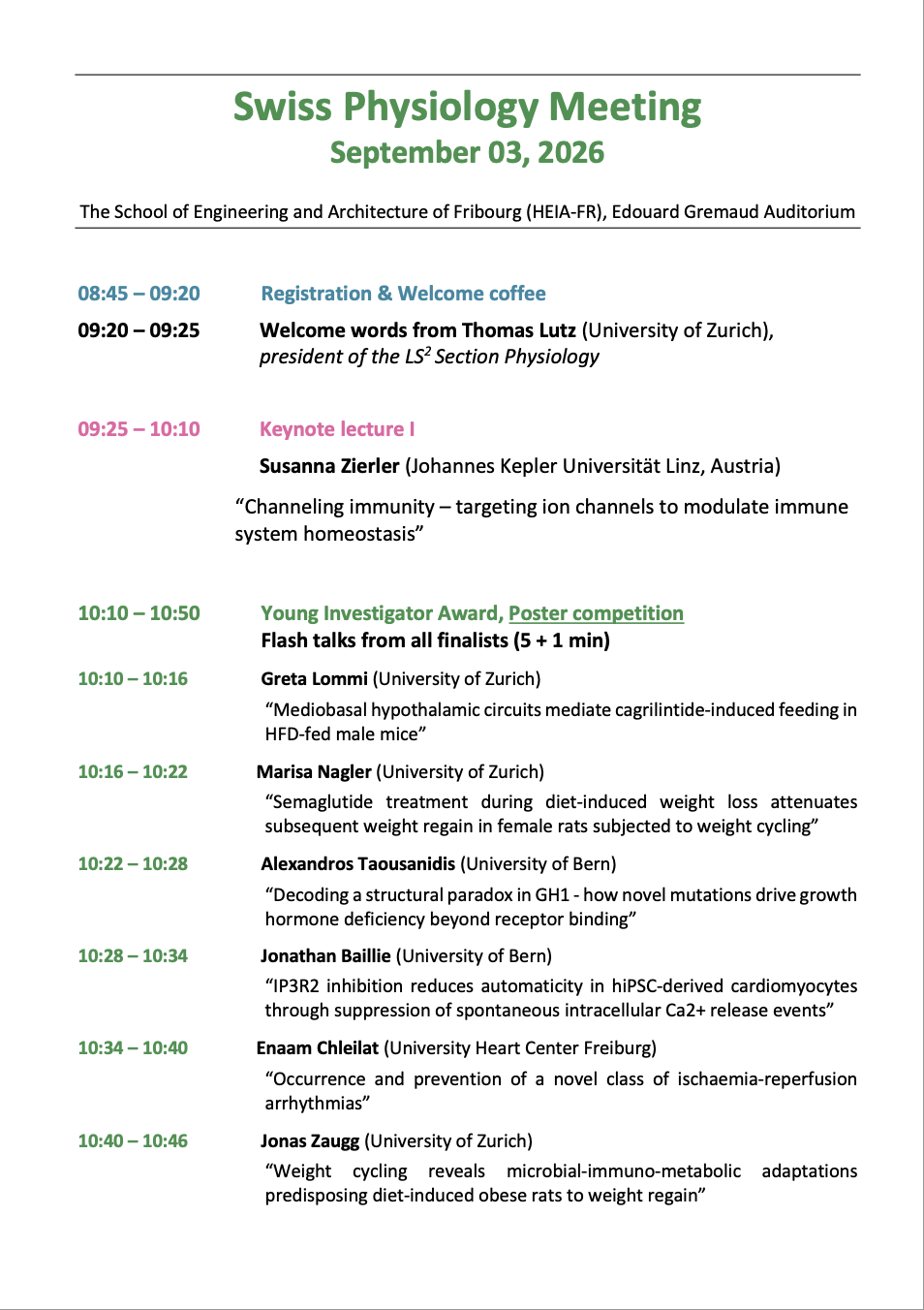
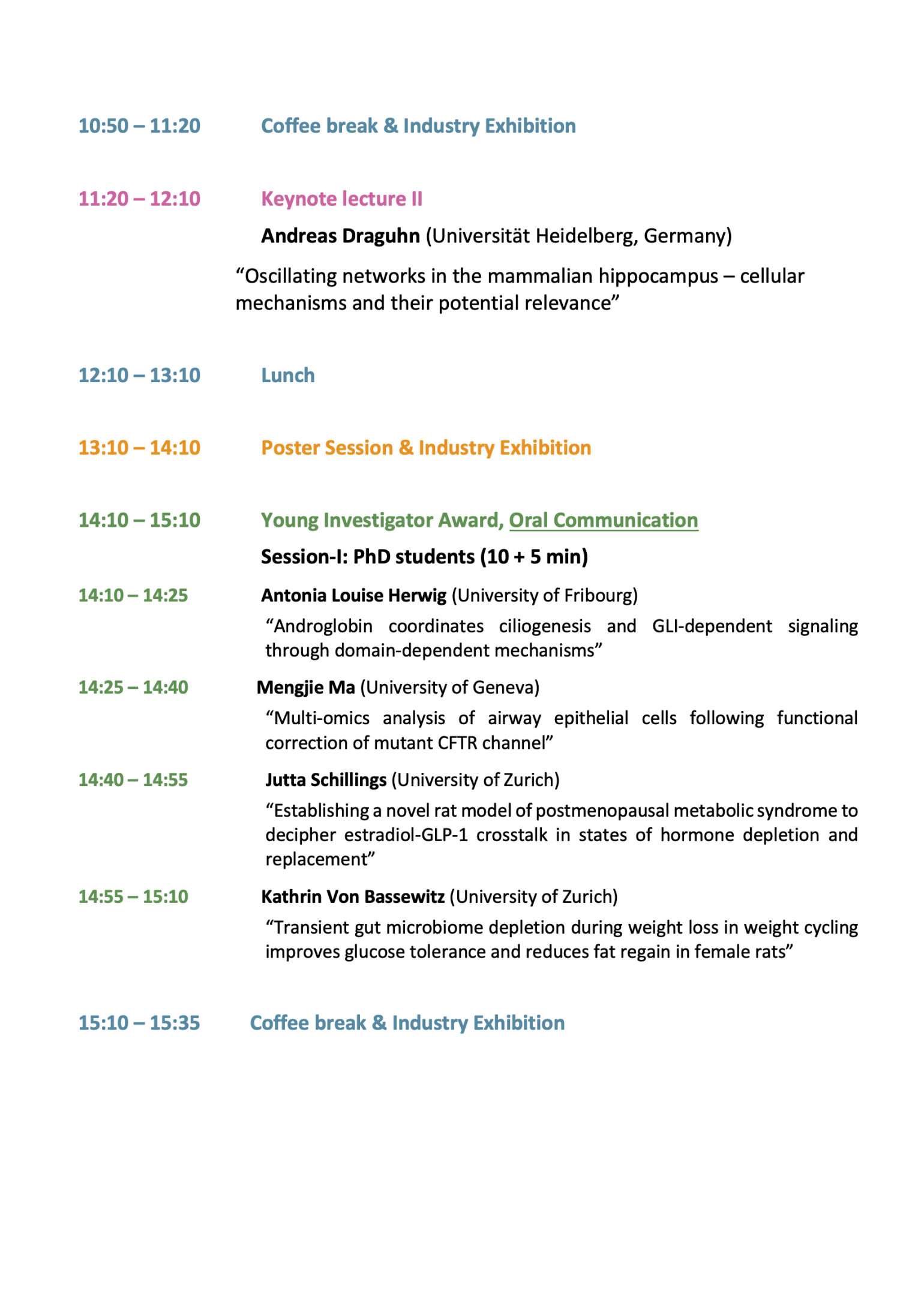
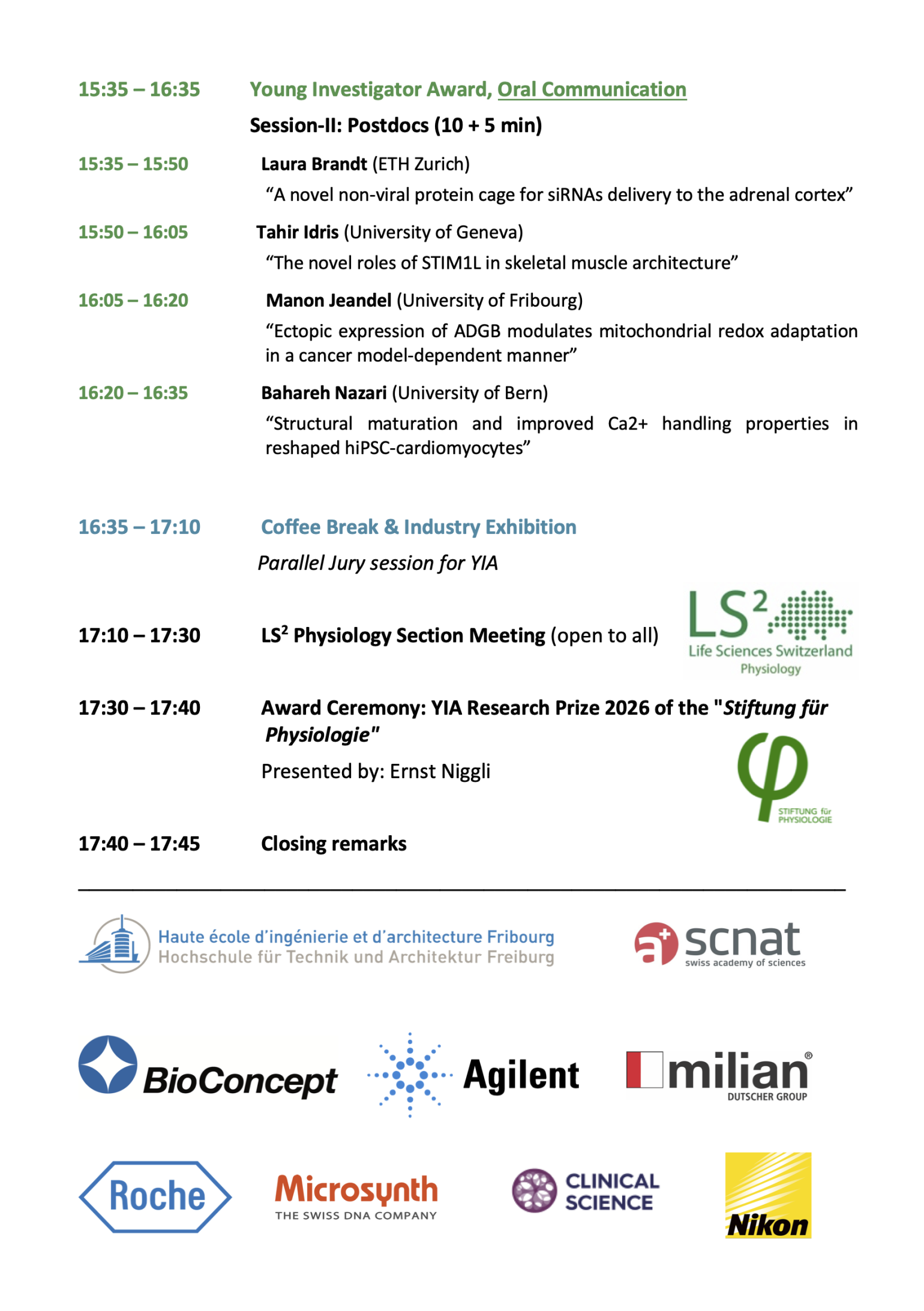
Program at a glance:
Keynote speakers
|
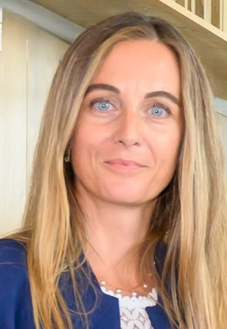
Susanna Zierler (Johannes Kepler Universität Linz, Austria) Susanna Zierler is the head of the Institute of Pharmacology at the JKU Linz and group leader at the Walther Straub Institute of Pharmacology and Toxicology, LMU Munich. She holds a PhD from the University of Salzburg and completed her postdoctoral training at The Queen’s Medical Center, in Honolulu, HI. Her research expertise spans pharmacology, physiology, immunology, and cell biology. She focuses with her team on immune cell signaling at the smallest level of ions. Herein they investigate the transport of ions across cell membranes and between organelles. This aims at a better understanding of the regulation of ion channels at the cellular level and in the context of in vivo immune reactions.
|
 |
|
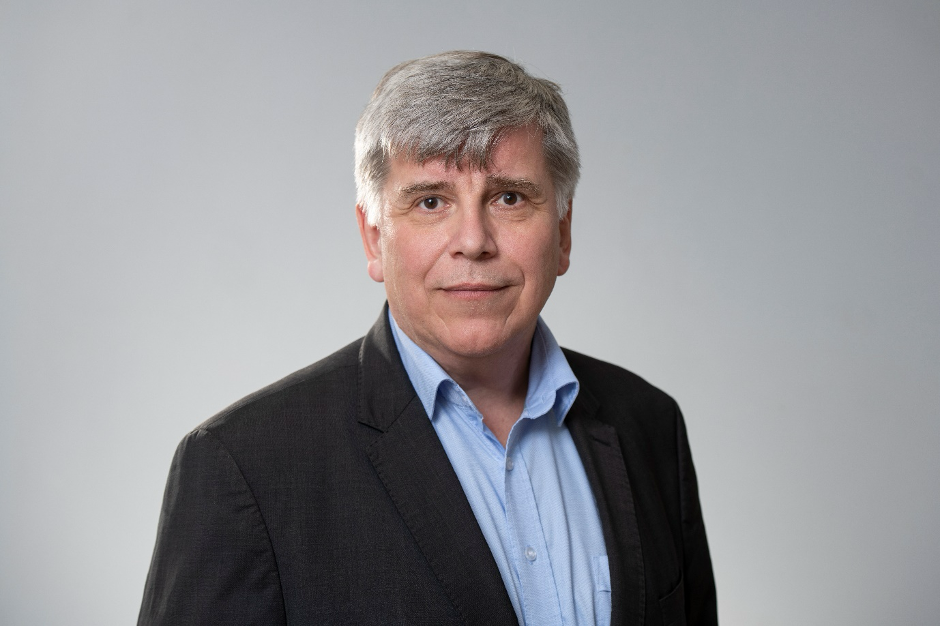
Andreas Draguhn (Universität Heidelberg, Germany) Prof. Dr. Andreas Draguhn studied medicine in Bonn, along with physics and philosophy. He started working in neurophysiology as a student assistant with Prof. Anton Wernig (Bonn) before doing his doctorate (MD) with Prof. Bert Sakmann in Göttingen and Heidelberg, where he characterized molecularly defined subtypes of GABA-A-receptors. He then joined the group of Prof. Uwe Heinemann in Cologne, characterizing normal and epileptiform network activity in the rodent hippocampus. After further work with Uwe Heinemann in Berlin and with John Jefferys and Roger Traub in Birmingham (UK) he became Chair of Neurophysiology at the Medical Faculty of Heidelberg University where he works since 2002. He had several administrative positions within the faculty as well as in scientific societies and funding organizations. His area of research are neuronal network oscillations, in particular high-frequency ‘ripples’ in cortical networks and respiration-related rhythmic activity throughout the mammalian brain. Using electrophysiological and morphological techniques he studies the coupling of individual neurons to local network oscillations, the properties of oscillating neuronal ensembles, and the functional architecture of the hippocampal-entorhinal system. His work on brain-wide respiration-related network oscillations contributed to the understanding of body-to-brain signaling. During recent years, Andreas Draguhn has contributed to overarching questions of modern neurosciences, in particular the controversy around sentience, cognition and consciousness in plants. He pleads for an intensified interdisciplinary discourse to compare and combine diverse perspectives towards the mechanisms linking neuronal mechanisms and mental functions. |
 |